
Mecox Guides
Practical, expert-led guides on caring for, styling, and living with fine furniture, antiques, and decorative art — written by the Mecox team, the leading authority in sourcing and stewarding one-of-a-kind pieces.
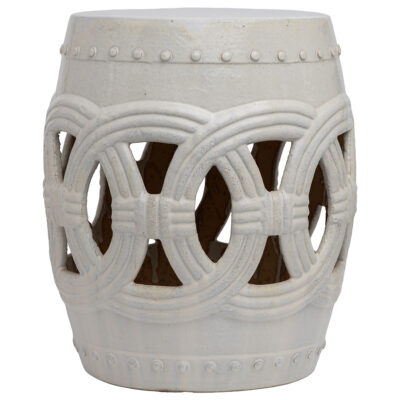
For lasting outdoor fire pits, prioritize durable materials, weatherproof finishes, and balanced proportions.
Read the guide →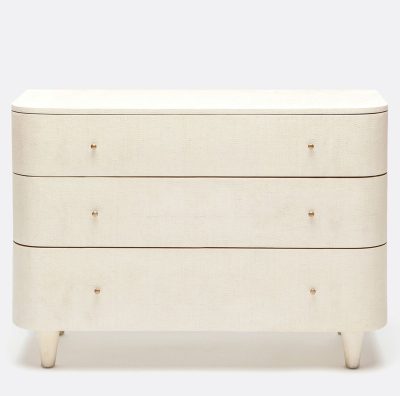
Choose chests with quality materials, solid construction, and proper proportions to optimize storage in small spaces.
Read the guide →
A small chest of drawers is often called a 'commode' or 'bachelor's chest,' designed for compact storage and elegance.
Read the guide →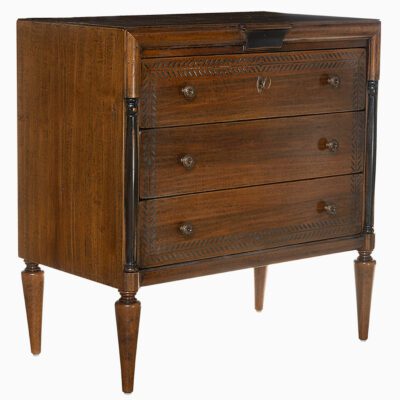
Select a narrow width chest of drawers to maximize space in tight areas by considering circulation, scale, and light.
Read the guide →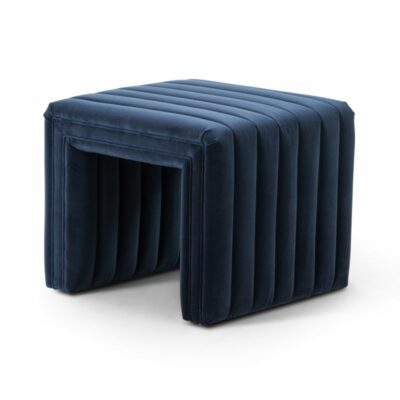
The mid century modern ottoman evolved from a footstool to a versatile piece of furniture, merging functionality with minimalist design.
Read the guide →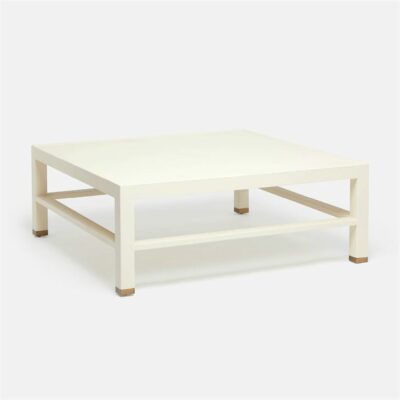
To style a small round coffee table, use odd numbers, vary heights, and mix finishes like suede and gold. Keep balance with negative space.
Read the guide →To decorate a square coffee table, use the rule of thirds, vary heights, mix materials, and leave negative space for a balanced look.
Read the guide →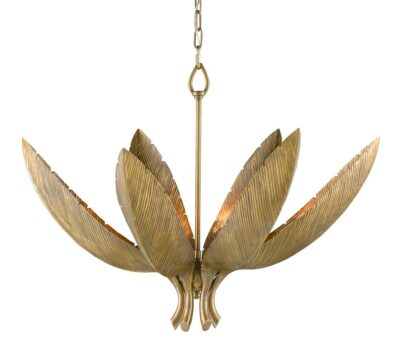
Mini antique brass chandeliers originated from 17th-century Europe, evolving from large iron designs to smaller, ornate brass forms for intimate spaces.
Read the guide →
Antique brass chandelier chains originated in the 18th century, evolving from simple functional links to ornate decorative elements, reflecting changing styles.
Read the guide →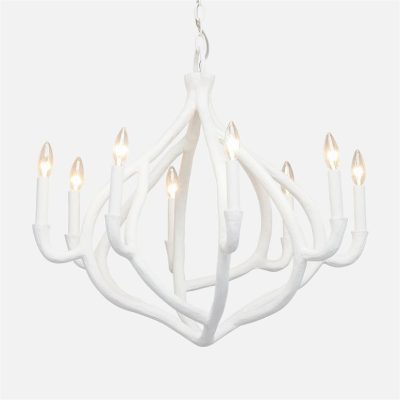
Antique brass chandeliers trace their roots to medieval Europe, evolving from simple candleholders to ornate lighting fixtures symbolizing wealth.
Read the guide →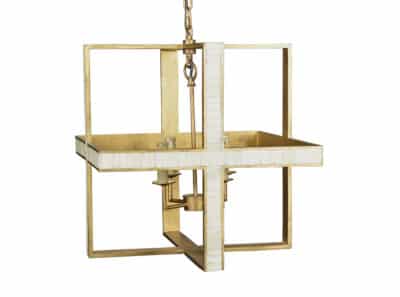
Vintage solid brass chandeliers are rooted in medieval candle-lit designs, evolving into ornate electric fixtures by the 19th century.
Read the guide →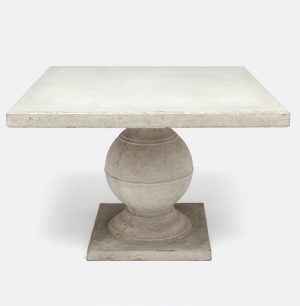
Use rule of thirds, layering, and mixed finishes to create a balanced outdoor cocktail table setting.
Read the guide →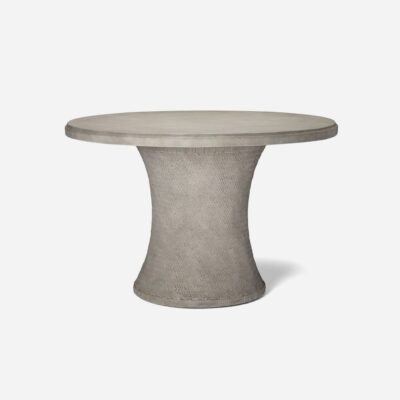
Teak is the best material for outdoor dining tables due to its durability, resistance to weather, and natural beauty.
Read the guide →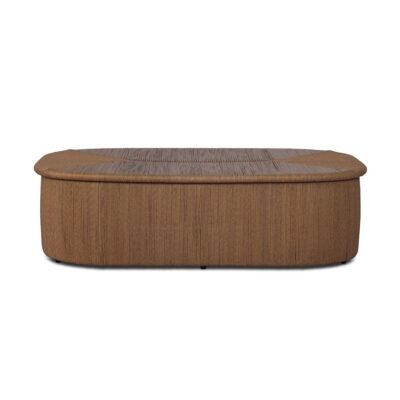
Select the best patio coffee table by considering circulation, light, and scale. Options include faux wicker ovals for narrow spaces and stone tops for awkward corners.
Read the guide →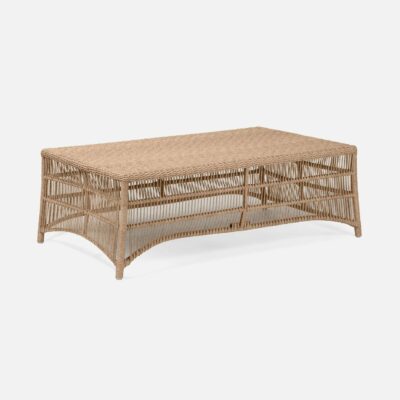
Style a patio coffee table by layering heights, using odd numbers, mixing finishes, and creating negative space with outdoor decor.
Read the guide →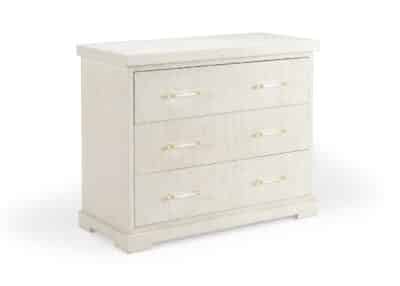
Choose the best value chest by focusing on construction, materials, finish, and craftsmanship. Look for solid wood, dovetail joints, and detailed finishes.
Read the guide →Optimize small living spaces with a chest of drawers by selecting pieces that suit awkward corners, low ceilings, and narrow halls.
Read the guide →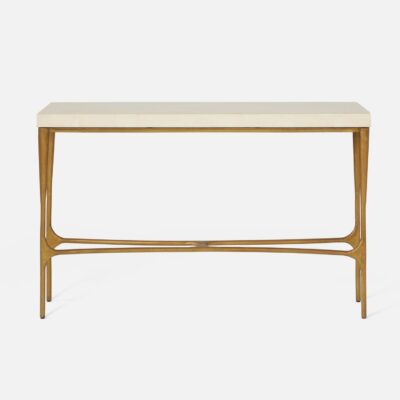
Place narrow chests of drawers in tight spaces like hallways or corners, ensuring circulation and sightlines remain clear. Use aged brass or rattan for style.
Read the guide →
Choose a storage ottoman by examining construction, materials, and craftsmanship. Look for solid wood frames, durable upholstery, and meticulous detailing.
Read the guide →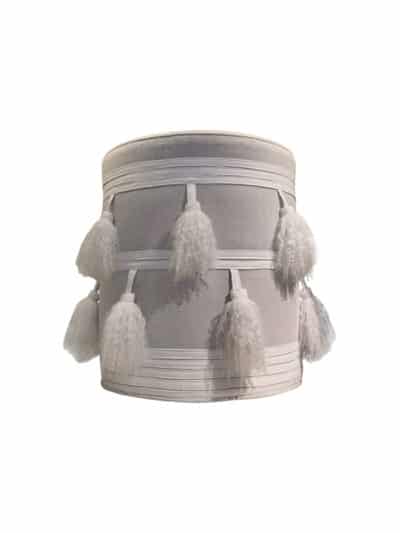
Ottomans are structured, often with legs, serving as footrests or storage, while poufs are softer, more versatile cushions.
Read the guide →
Balance your resin coffee table with odd-numbered decor, varied heights, and mixed finishes for a harmonious look.
Read the guide →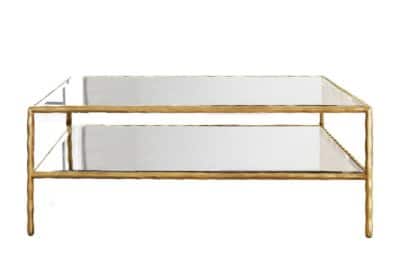
To style a square coffee table, use the rule of thirds, layer heights, mix materials, and leave negative space for a balanced look.
Read the guide →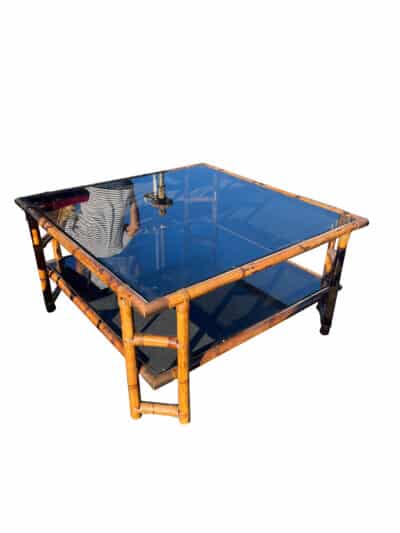
The vintage big coffee table, popularized in the 1950s, evolved from 17th-century European tea tables, adapting to larger living spaces and social gatherings.
Read the guide →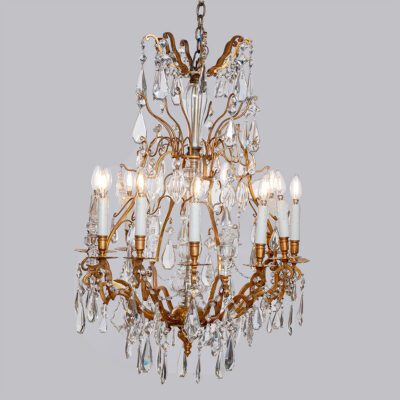
Antique brass 5 light chandeliers originated in 18th-century Europe, evolving from candle-lit to electric, reflecting changing design tastes.
Read the guide →Traditional antique brass chandeliers originated in medieval Europe, evolving from iron fixtures to ornate brass designs used for both illumination and status.
Read the guide →Antique brass and crystal chandeliers originated in 18th-century Europe, evolving from wood and metal forms to elaborate gilt bronze and crystal designs by 1900.
Read the guide →Antique brass chandelier lighting, rooted in 17th-century Europe, evolved from candle-lit iron forms to ornate gilt bronze with crystal embellishments.
Read the guide →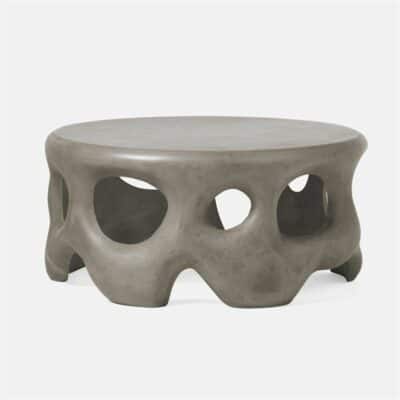
Decorate outdoor coffee tables by using the rule of thirds, layering heights, odd numbers, and mixing finishes for a balanced aesthetic.
Read the guide →
For outdoor coffee table decor, use the rule of thirds, mix materials like stone and teak, and balance heights with planters and lanterns.
Read the guide →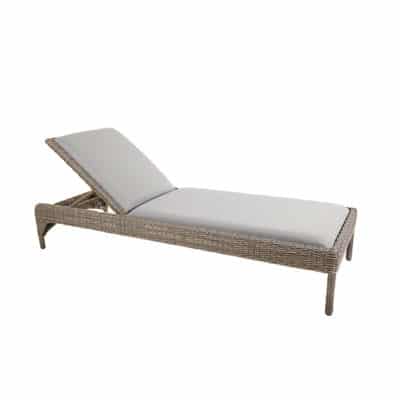
Choose the best outdoor coffee table with storage by focusing on durable materials, expert construction, and thoughtful design details.
Read the guide →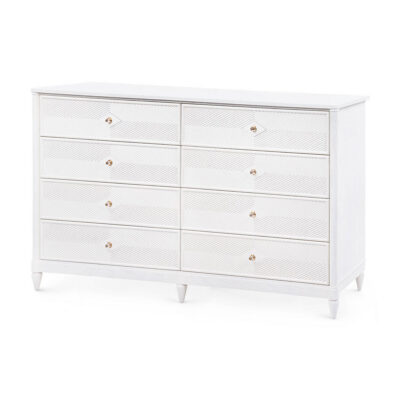
Revamp a small chest of drawers: choose paint, use rule of thirds, mix finishes, and layer decor for a stylish update.
Read the guide →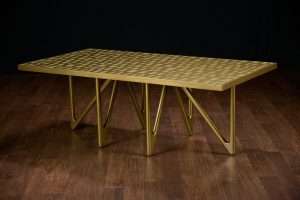
For large coffee tables, use the rule of thirds, layer heights, mix finishes, and create negative space for a balanced design.
Read the guide →Style a large square coffee table by applying the rule of thirds, layering heights, and mixing finishes for visual harmony.
Read the guide →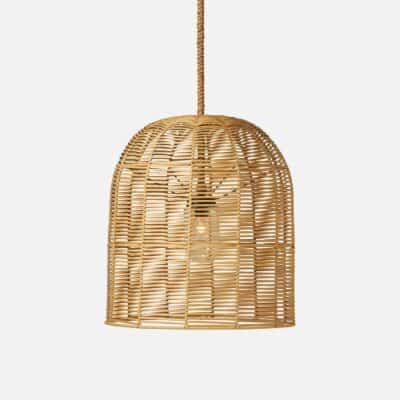
Brass chandeliers can be valuable. Examine craftsmanship, condition, joinery, wear patterns, marks, materials, and proportions to assess worth.
Read the guide →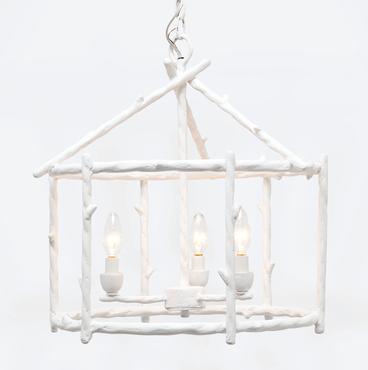
The antique brass chandelier with three lights emerged in the 18th century, evolving from candle-lit designs to electric adaptations.
Read the guide →Antique brass chandeliers evolved from medieval candle-bearing fixtures to elegant electric lighting, reflecting cultural shifts.
Read the guide →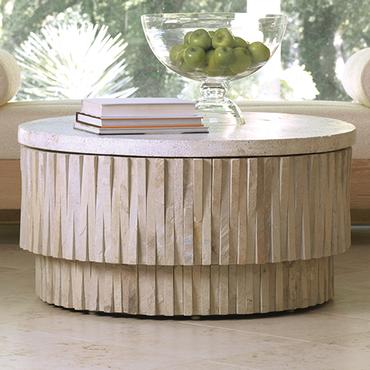
Decorate a round outdoor coffee table by balancing height, using odd numbers, and mixing textures for a harmonious look.
Read the guide →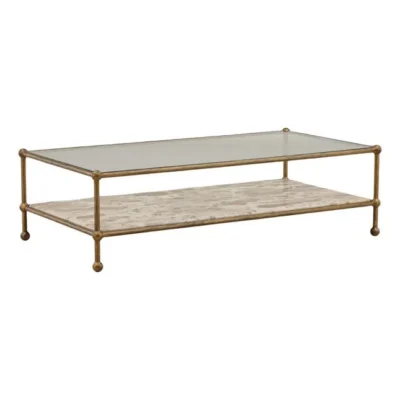
Small antique coffee tables originated in the late 19th century as versatile, low tables for informal social gatherings, evolving from European tea tables.
Read the guide →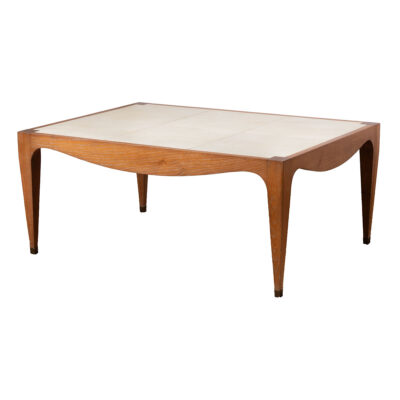
The antique white coffee table traces its origins to 17th-century Europe, evolving from multipurpose tables to today's elegant centerpiece.
Read the guide →The wooden coffee table, a staple since the 1920s, evolved from English tea tables and reflects cultural shifts in leisure and design.
Read the guide →For a lasting chest of drawers, prioritize solid wood, dovetail joints, and quality finishes. Explore pieces with these features.
Read the guide →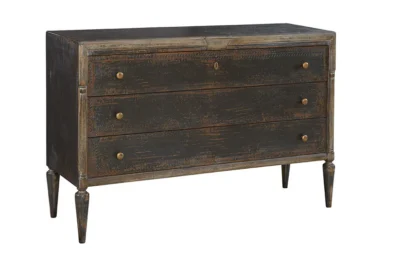
Choose the best chest of drawers by evaluating construction, materials, finish, and proportion for lasting quality.
Read the guide →Select the best wooden chest by examining construction, materials, finish, and details like joinery and hardware.
Read the guide →Mecox offers expertly crafted chests of drawers with top-tier materials and construction, ensuring longevity and style.
Read the guide →
Style an ottoman by balancing heights, using odd numbers, and mixing materials like leather and linen for visual interest.
Read the guide →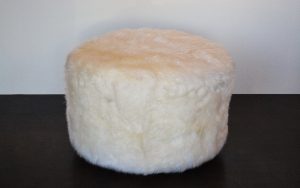
For modern ottoman design, choose low, wide shapes, use odd-number groupings, mix textures, and place them to create visual balance.
Read the guide →
Find the best place to buy ottoman by evaluating construction, materials, and craftsmanship. Mecox offers options that meet these criteria.
Read the guide →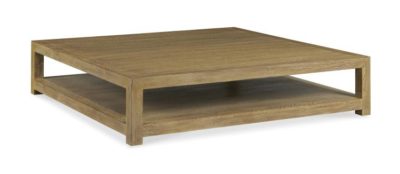
Select the best large square coffee tables by focusing on quality materials, expert construction, and thoughtful design.
Read the guide →
Style a large square coffee table with rule of thirds, layering heights, odd numbers, and mixing finishes for a balanced, elegant look.
Read the guide →
Assess a brass chandelier's worth by examining craftsmanship, materials, condition, and market demand. Rarity and quality influence value.
Read the guide →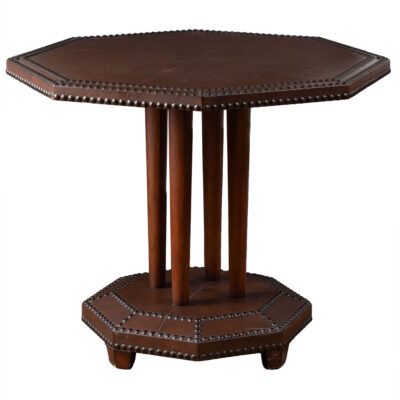
Side tables originated in 17th-century Europe as functional furniture for holding candles and decorative items, evolving into diverse forms.
Read the guide →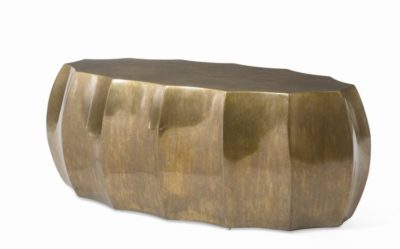
Antique oval coffee tables emerged in the late 19th century as a refined adaptation of earlier European designs, merging aesthetics with functionality.
Read the guide →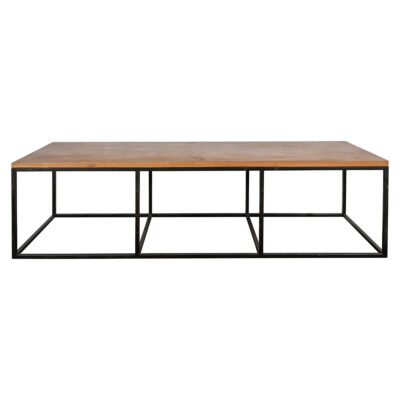
The antique coffee table, originating in the late 19th century, evolved from European tea tables, becoming a centerpiece in living rooms worldwide.
Read the guide →The antique looking coffee table evolved from 17th-century tea tables, gaining prominence in the 20th century as a functional living room centerpiece.
Read the guide →Antique wood coffee tables originated in late 19th century Europe as low tables used for serving tea. They evolved into today's versatile centerpiece.
Read the guide →
Choose the best small chest of drawers by focusing on construction, materials, finish, and proportion. Look for quality craftsmanship and thoughtful design.
Read the guide →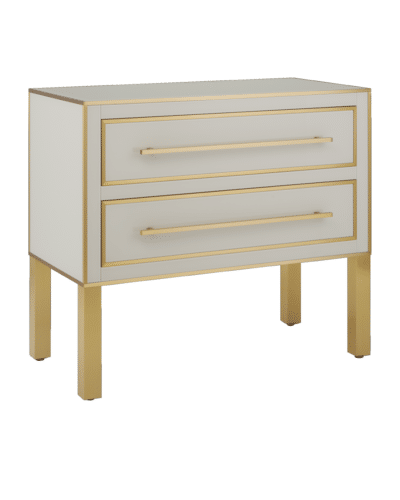
Place a small chest of drawers using the rule of thirds, layer heights with decor, and mix materials for a balanced, stylish look.
Read the guide →To optimize a small bedroom, place a compact chest of drawers in an awkward corner or under a low ceiling to enhance storage without crowding the space.
Read the guide →
Clean rattan baskets by dusting, wiping with warm soapy water, rinsing, and air drying. Avoid soaking to prevent damage.
Read the guide →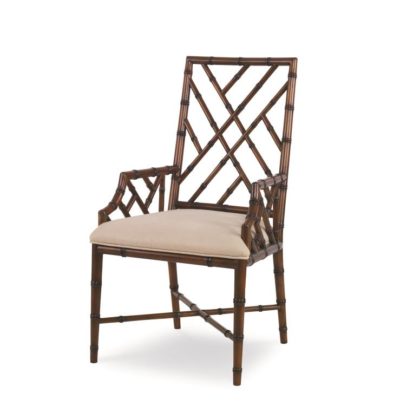
To fix broken rattan furniture, clean the area, re-weave or glue damaged strands, and finish with a lacquer. Prevent damage by keeping rattan dry.
Read the guide →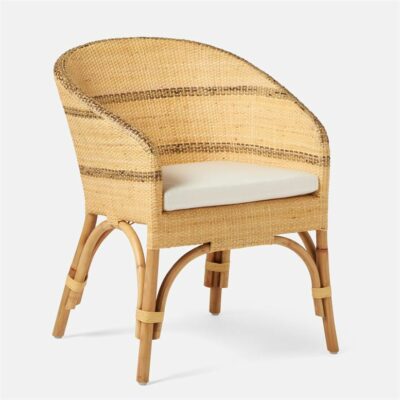
The best rattan is handwoven, with tight, even weaves and a smooth, consistent finish. Look for pieces that age gracefully, developing a rich patina.
Read the guide →
Style a round side table by using the rule of thirds, layering heights, and mixing textures. Add odd-numbered decor for balance.
Read the guide →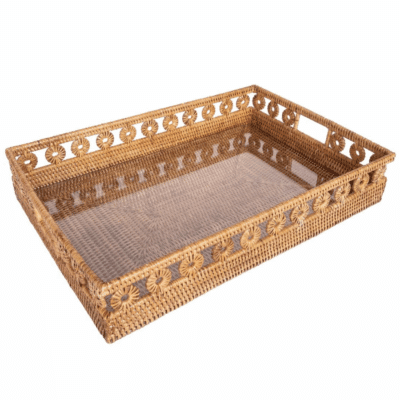
To style a rattan bedside table, balance heights with a lamp, use odd-numbered accessories, and mix materials like glass for elegance.
Read the guide →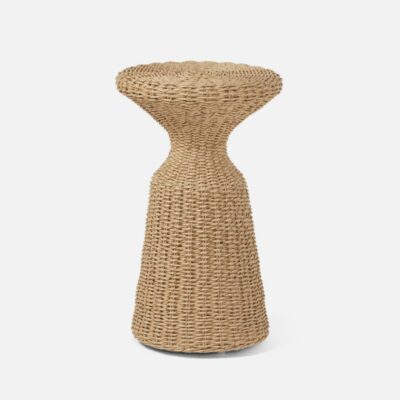
Choose durable outdoor cocktail tables by focusing on materials like teak or aluminum, robust construction, and weather-resistant finishes.
Read the guide →Large antique coffee tables originated in 17th-century Europe as tea tables, evolving in design and function over centuries to suit modern living.
Read the guide →Antique style coffee tables originated in the late 19th century as low tables for serving drinks, evolving into central living room pieces.
Read the guide →
Opt for a modern tall chest with a slim profile to maximize storage in narrow spaces. Consider circulation, sightlines, and complementary furnishings.
Read the guide →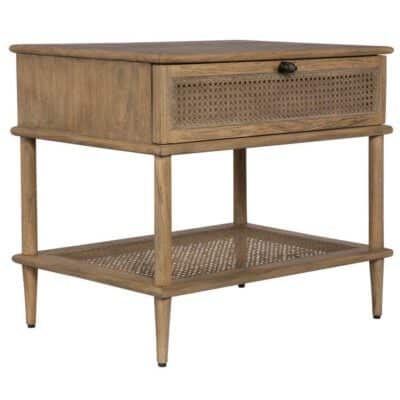
A mid-century chest of drawers blends functional storage with sleek, minimalist design, rooted in 20th-century modernism.
Read the guide →The narrow tall chest of drawers antique, originally a European design, evolved for space-saving storage and saw stylistic changes across centuries.
Read the guide →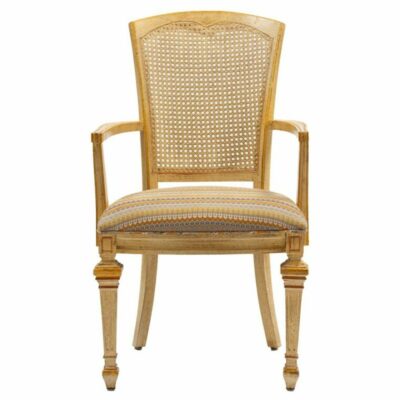
An antique chest of drawers from the 1800s is a versatile storage piece with historical roots in Europe, evolving through craftsmanship and style.
Read the guide →Rattan's durability varies with weave quality and exposure. Indoors, it can last decades; outdoors, it degrades more quickly. Here's why.
Read the guide →Clean rattan chairs by dusting, using a mild soap solution, and drying thoroughly. Avoid excess water to prevent damage.
Read the guide →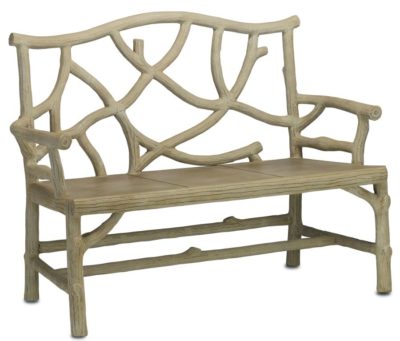
Clean with mild soap, sand lightly to remove rough spots, apply teak oil biannually, and cover during harsh weather to care for your wooden garden bench.
Read the guide →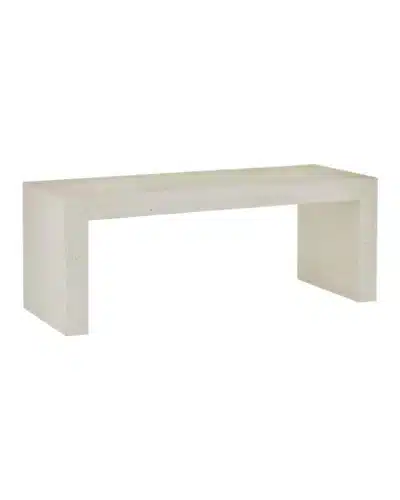
Clean a stone garden bench by brushing off debris, washing with mild soap and water, scrubbing with a soft brush, and rinsing thoroughly.
Read the guide →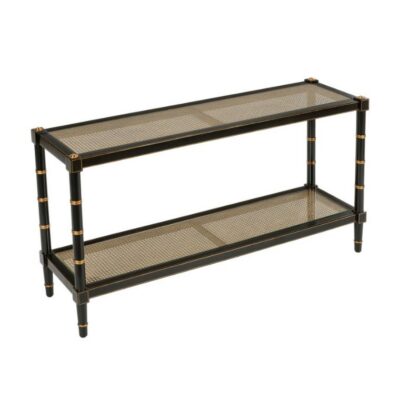
Remove covers, brush off debris, wash in cold water with mild detergent, air dry. Avoid bleach and high heat to prevent damage.
Read the guide →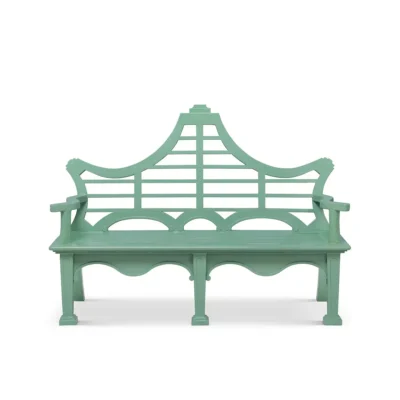
To clean a garden bench, use mild soap, water, and a soft brush. Rinse thoroughly, dry, and apply protective oil or wax.
Read the guide →
Clean a wicker coffee table with mild soap, warm water, and a soft brush. Avoid soaking and harsh cleaners; dry thoroughly to prevent damage.
Read the guide →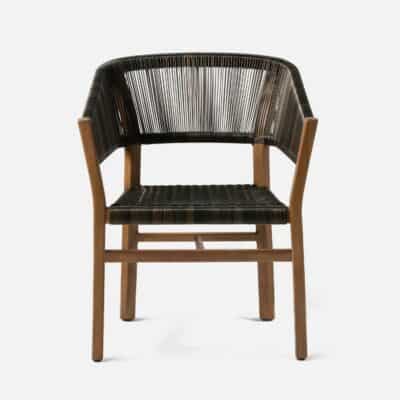
Rattan furniture varies by weaving technique, material quality, and usage, including natural, synthetic, and mixed styles for indoor and outdoor use.
Read the guide →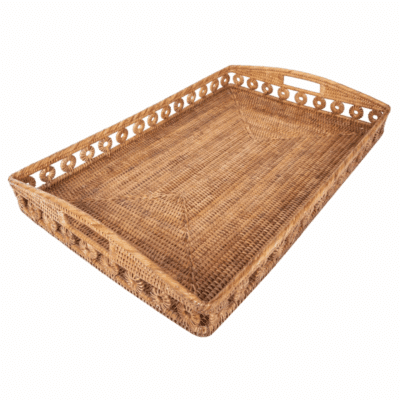
Balance rattan side tables with height variation and odd-numbered groupings for a sophisticated touch.
Read the guide →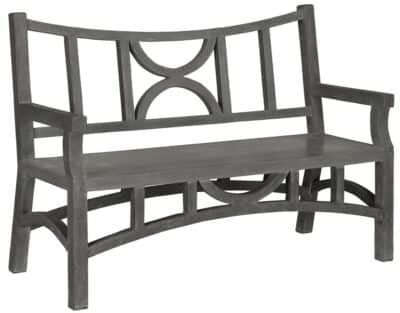
Clean a concrete garden bench using a mild soap solution, soft brush, and water. Avoid harsh chemicals to preserve its finish.
Read the guide →Divide your wicker coffee table into thirds for balance. Layer heights and mix textures like metallics with wicker to enhance its appeal.
Read the guide →
For small gardens, choose compact benches, use vertical space, layer heights, and mix finishes for style and functionality.
Read the guide →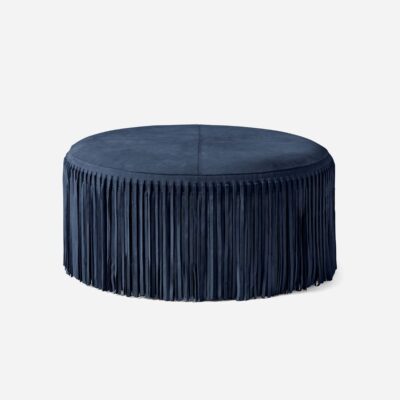
Glass tops provide modern flair; marble exudes elegance; reclaimed wood offers rustic charm. Choose a material to elevate your living room centerpiece.
Read the guide →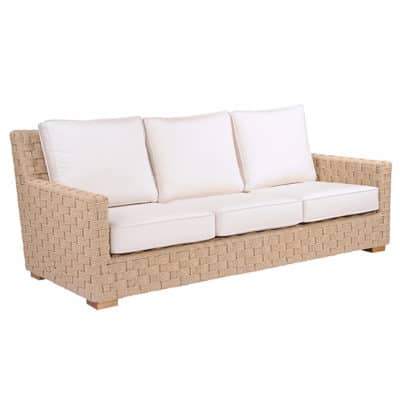
Rattan is excellent for outdoor furniture due to its durability, flexibility, and aesthetic appeal, especially when paired with weather-resistant finishes.
Read the guide →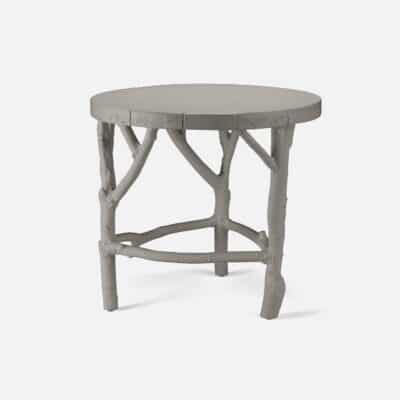
Decorate outdoor side tables using the rule of thirds, layering heights, and mixing finishes for a balanced, appealing look.
Read the guide →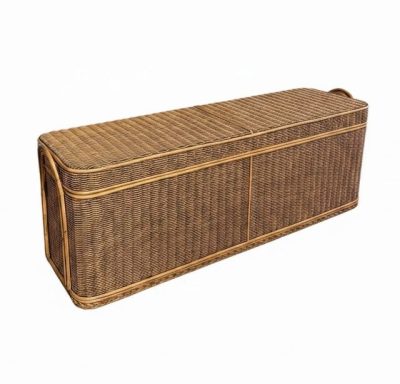
Place a rattan bench in an awkward bedroom corner to enhance space. Pair with matching rattan chairs for harmony and light fabrics for balance.
Read the guide →
Create a striking outdoor coffee table by using odd numbers, varying heights, and mixing finishes for a balanced composition.
Read the guide →Use the rule of thirds, layering heights, and mixing finishes to style rattan furniture. Place rattan baskets, glass-topped tables, and varied textures for balance.
Read the guide →
Find top outdoor coffee tables by evaluating construction, materials, and design for lasting quality and style.
Read the guide →To restore a rattan chair, clean with mild soap, repair broken strands, sand lightly, and apply a protective finish. Avoid water and direct sunlight.
Read the guide →The antique small chest of drawers originated as a practical storage solution in 17th-century Europe, evolving through design and material innovations.
Read the guide →
Bamboo-framed chests from the 1960s highlight a shift from utility to decor. Trace their evolution from 17th-century origins to modern design.
Read the guide →
From 17th-century Europe, chests of drawers evolved from simple wooden boxes to intricate cabinetry. See why their craftsmanship endures today.
Read the guide →17th-century European chests evolved from simple storage to ornate art pieces. Italian carved wood and brass accents highlight this evolution.
Read the guide →17th-century European chests transformed from basic boxes to ornate furniture, showcasing evolving craftsmanship and cultural influences.
Read the guide →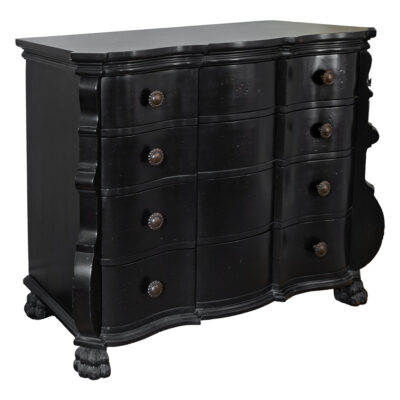
17th-century Europe saw the rise of intricately carved chests. Find local antiques with unique wood finishes and period-specific details.
Read the guide →An antique wooden chest of drawers evolved from simple storage to ornate furniture, reflecting changing styles from the 17th century.
Read the guide →Originating in 17th-century Europe, vintage small wooden chests evolved from cabinet-on-stand designs, offering unique storage solutions.
Read the guide →Divide your table into thirds for balance and depth. Use odd numbers and mixed materials to keep your outdoor space engaging and stylish.
Read the guide →
Rattan, a Southeast Asian vine, creates lightweight, sturdy furniture. Its durability and beauty depend on skilled craftsmanship and quality.
Read the guide →Faux bois concrete tables create a striking focal point. Layer heights with lanterns and planters, using odd numbers for captivating arrangements.
Read the guide →Fix loose rattan by re-weaving with new strands. For cracks, apply wood glue and clamp. Prevent damage by keeping chairs indoors and dusting regularly.
Read the guide →Start by cleaning with mild detergent, then apply UV protectant. Repair kits can mend breaks. Timely care extends furniture life.
Read the guide →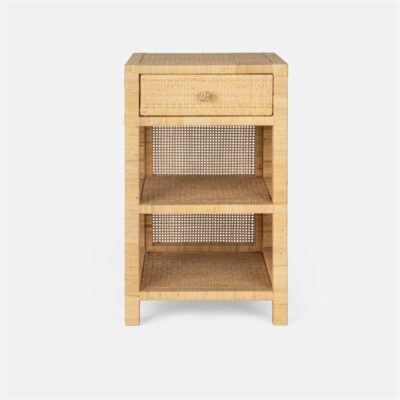
Rattan side tables offer versatile solutions for awkward bedroom spaces, enhancing both style and function without overwhelming the room.
Read the guide →
Protect garden bench feet by using protective caps, applying sealant, and placing benches on solid surfaces to prevent moisture damage.
Read the guide →Humidity can cause rattan tables to sag. Mist lightly to reshape, secure loose strands with glue, and reinforce with rattan strips for durability.
Read the guide →Protect a wooden garden bench by regularly cleaning, applying a UV-protectant sealant, and covering it during harsh weather.
Read the guide →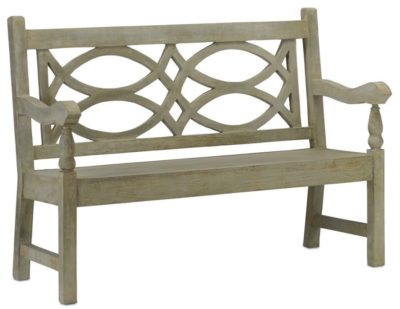
To protect a garden bench, use weather-resistant covers, apply sealant, and clean regularly. Quality materials and construction ensure longevity.
Read the guide →To restore rattan outdoor furniture, clean with mild soap and water, sand rough areas, apply boiled linseed oil, and protect with UV-resistant varnish.
Read the guide →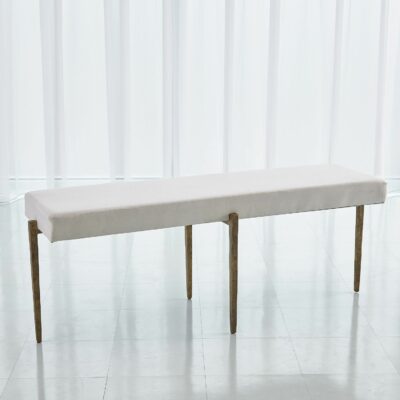
Metal sealants and level surfaces prevent rust and stress on bench legs. Covers protect during harsh weather. Essential maintenance tips await.
Read the guide →
Antique rattan furniture, originally crafted for tropical homes, evolved from colonial styles to global chic, prized for its lightness and durability.
Read the guide →Rattan furniture embodies a relaxed, natural style with its woven texture and earthy tones, ideal for indoor settings.
Read the guide →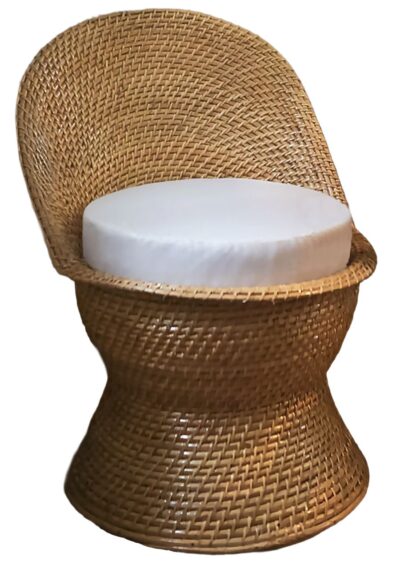
Lucite and handwoven stools brighten bedroom corners. Measure your space to ensure they enhance, not obstruct, your room's layout — details inside.
Read the guide →Restore a wooden garden bench by cleaning, sanding, repairing, and applying a protective finish for lasting beauty.
Read the guide →Select a small rattan patio table by considering awkward corners, circulation, and light. Opt for woven or handmade designs to fit various spaces.
Read the guide →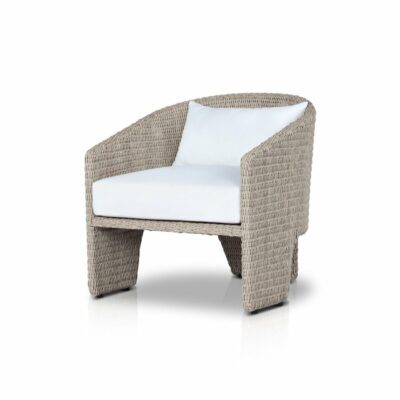
Choose rattan furniture with a sturdy frame, UV-resistant finish, and quality cushions for lasting outdoor use.
Read the guide →
Vintage chests of drawers, originating in 17th-century Europe, evolved from simple storage to ornate furniture, reflecting societal shifts.
Read the guide →Medieval oak chests transformed into 17th-century multi-drawer designs, reflecting the era's evolving storage needs and personal inventories.
Read the guide →Emerging from 17th-century Europe, vintage coffee tables blend oak and mahogany with ornate designs. See how styles evolved over centuries.
Read the guide →
For outdoor coffee table styling, use the rule of thirds, layer heights, and mix materials like teak and rattan for visual interest.
Read the guide →Style a rattan coffee table by using the rule of thirds, layering heights, and mixing materials for a balanced, inviting look.
Read the guide →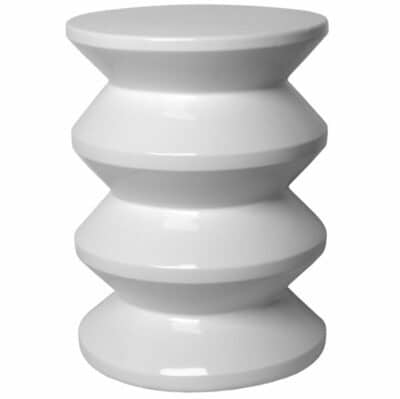
To style a garden stool, use it as a side table, layer heights, mix finishes, and apply the rule of thirds for balance.
Read the guide →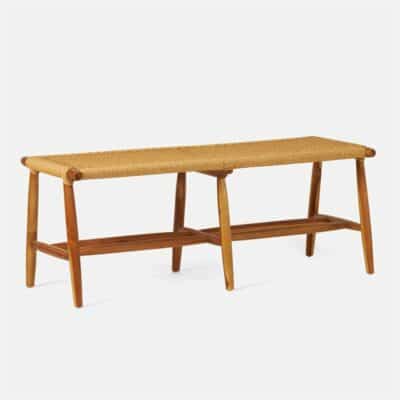
Teak benches need gentle cleaning and sanding before oiling. Avoid harsh chemicals and sunlight for a lasting, beautiful finish.
Read the guide →Tighten screws and reinforce joints for stability. Sand and prime rusted metal, replace rotted wood for a lasting garden bench fix.
Read the guide →
Teak's dense grain and natural oils fend off weathering. Maintain its glow with soap, water, and oil every few months. Here's the routine.
Read the guide →
Juxtaposing disparate images and textures reshapes narratives. See how this technique forms cohesive art from varied materials.
Read the guide →
Flamingos suit vibrant, artistic spaces with moderate maintenance. Pelicans, while rarer, offer durability for coastal themes.
Read the guide →
Wood is organic as it originates from living trees, composed of carbon-based compounds. Quality is judged by grain, texture, and finish.
Read the guide →A rattan chair is made from the flexible stems of the rattan palm, woven into lightweight yet strong furniture. Ideal for indoor use, it ages gracefully.
Read the guide →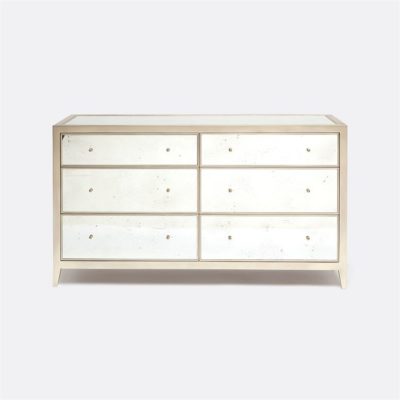
Apply the rule of thirds and mix finishes by placing a painted chest of drawers against a neutral wall, layering decor for visual interest.
Read the guide →Vintage wood coffee tables evolved from 17th-century low tables used for serving drinks, gaining popularity in 20th-century living rooms.
Read the guide →Choose the best rattan coffee table by evaluating construction, materials, finish, and proportion for lasting quality and style.
Read the guide →A garden stool is a versatile, decorative seat or table, often ceramic or porcelain, suitable for indoor and outdoor use.
Read the guide →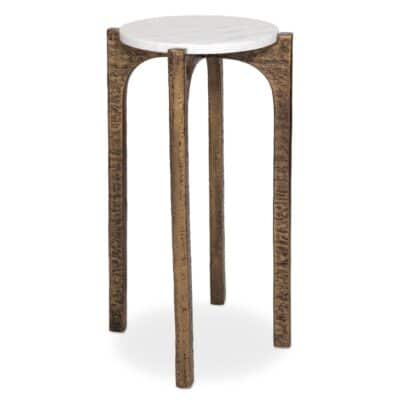
Balance heights with candlesticks and trays. Use the rule of thirds and mix materials like wood or metal for an elegant dining setup.
Read the guide →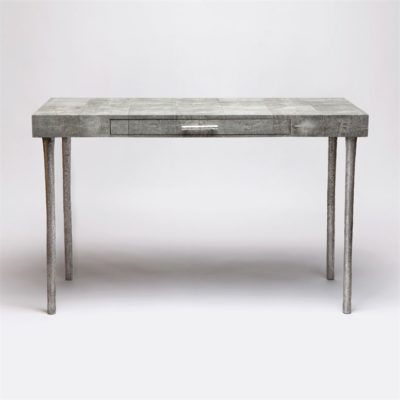
Faux shagreen is a synthetic material mimicking the texture of stingray skin, crafted from resin or leather, offering a durable, luxurious finish.
Read the guide →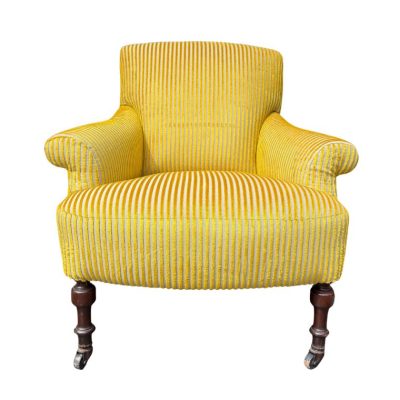
Select a small sitting stool for your bedroom by considering scale, circulation, and design to enhance both functionality and style.
Read the guide →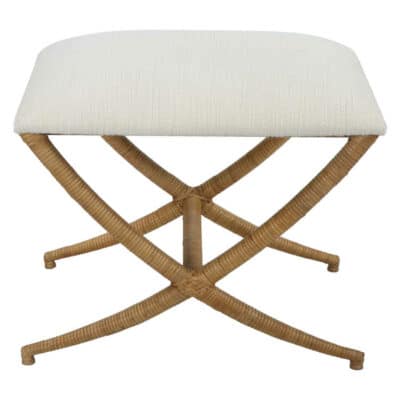
Medieval Europe saw benches as wooden planks; they later became intricate, upholstered art. What craftsmanship defines their evolution?
Read the guide →Vintage chests of drawers originated in the 17th century as practical storage. They evolved from simple chests to intricate designs, reflecting changing styles.
Read the guide →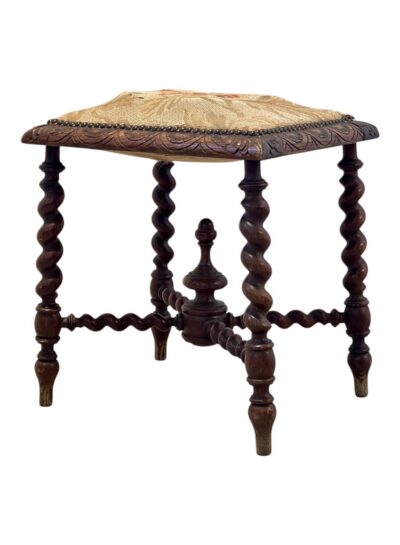
16th-century stools crafted from oak, walnut, and mahogany evolved from practical seating to decorative accents reflecting regional styles.
Read the guide →
The Golden Stool, crafted by the Ashanti people, symbolizes authority and unity. It has evolved in form but retains its cultural significance.
Read the guide →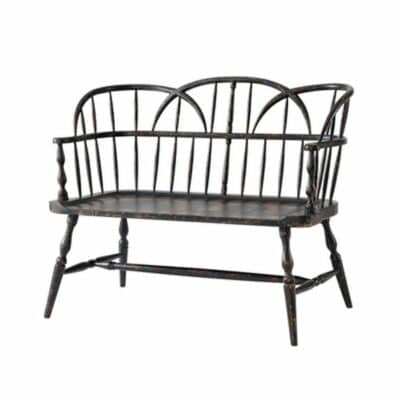
Restore an old garden bench by cleaning, sanding, repairing, and repainting. Use wood filler for cracks, sand surfaces, and apply weather-resistant paint.
Read the guide →
Mid-19th century rattan reshaped Western interiors with its lightness and strength. See how these pieces transitioned from colonial verandas to modern homes.
Read the guide →
Outdoor rattan furniture shines with rust-resistant frames, UV finishes, and weatherproof cushions. Here's how to ensure longevity and style.
Read the guide →The chest of drawers originated in 17th-century Europe as a practical storage solution, evolving from simple box forms to ornate designs.
Read the guide →Select a narrow tall chest of drawers for your space by focusing on circulation, sightlines, and scale. Opt for re-edition Italian designs with versatile finishes.
Read the guide →Select an outdoor patio coffee table by considering your space's size, circulation, and weather conditions, using materials like faux bois or stone.
Read the guide →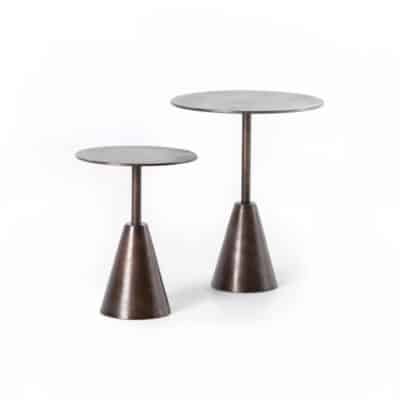
Weather-resistant teak and eucalyptus repel water naturally. Expert joinery and UV-resistant finishes are key for longevity. Which suits your space?
Read the guide →UV-resistant teak and stone tables withstand outdoor conditions. Skilled craftsmanship ensures stability and style in any setting.
Read the guide →Arrange rattan coffee tables using the rule of thirds, layer heights, and mix finishes for a balanced, inviting space.
Read the guide →Decorate a rattan coffee table using the rule of thirds, layering heights, and mixing finishes. Use odd numbers and leave negative space.
Read the guide →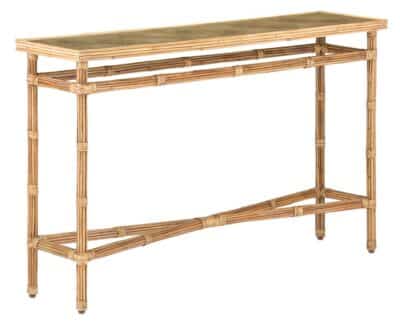
Use the rule of thirds for balance on your rattan console. Mix metals or ceramics with rattan and layer decor for a dynamic look.
Read the guide →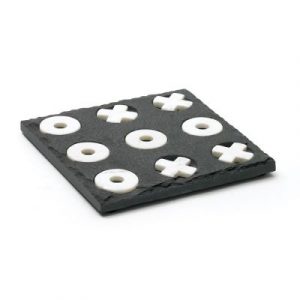
Use marble table decor with the rule of thirds, layering heights, and mixing finishes to create a balanced, sophisticated arrangement.
Read the guide →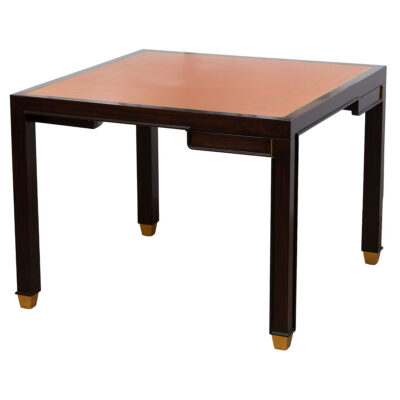
Mahogany tables age with a rich patina. Spot quality by examining grain consistency, color depth, and joint craftsmanship details.
Read the guide →
Style a coffee table and ottoman by layering heights, using odd numbers, and mixing materials like oak and brass for a balanced look.
Read the guide →Carrara's soft gray veins contrast with Calacatta's bold patterns. Understand how veining and thickness affect the quality of marble table tops.
Read the guide →
Define a theme and choose a focal piece for each room. Use odd numbers and the rule of thirds to create engaging, cohesive displays.
Read the guide →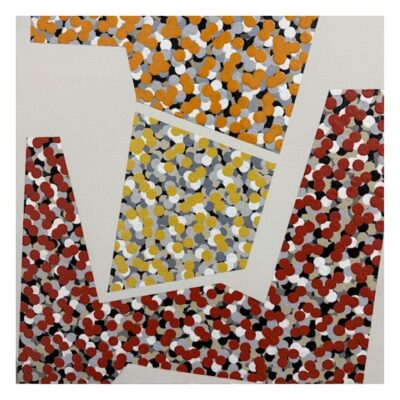
Choose a painting by considering quality, materials, finish, proportions, and craftsmanship details to ensure longevity and suitability.
Read the guide →
Hang a painting 60-75% the width of your couch, with the bottom edge slightly above the sofa for balanced visual harmony.
Read the guide →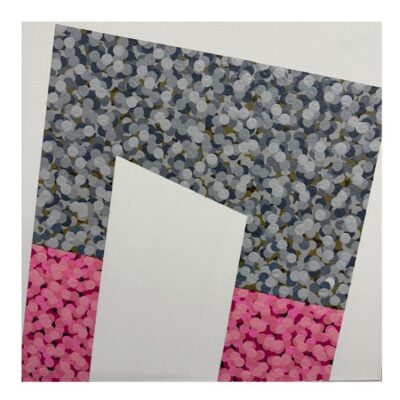
Vertical pieces enhance awkward corners by drawing the eye upward. Balance low ceilings with wide art. Match artwork scale to room dimensions.
Read the guide →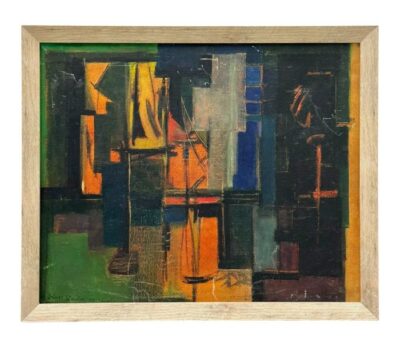
Examine craftsmanship through construction and joinery. Assess wear, signatures, and materials to truly understand art value and authenticity.
Read the guide →Use the rule of thirds for marble table styling. A black and white marble box as a focal point, paired with smaller items, creates harmony.
Read the guide →Faux marble tops mimic real marble with resin or laminate, offering durability and a cool, smooth touch. Spot quality by pattern and finish.
Read the guide →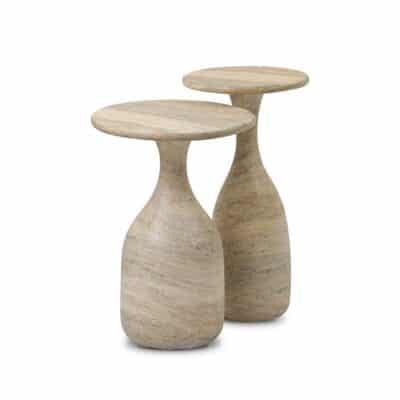
Anchor with a primary table and use the rule of thirds to achieve visual harmony. Layer materials for depth and avoid clutter with strategic decor.
Read the guide →Wicker outdoor furniture is made from woven materials like rattan or synthetic fibers, offering durability and style for outdoor use.
Read the guide →
A rechargeable table lamp is a portable light with a built-in battery, offering cord-free use and versatile lighting for various settings.
Read the guide →
Use the rule of thirds and odd numbers to arrange decor. Start with an iron and faux wood base, layer heights, and mix textures for balance.
Read the guide →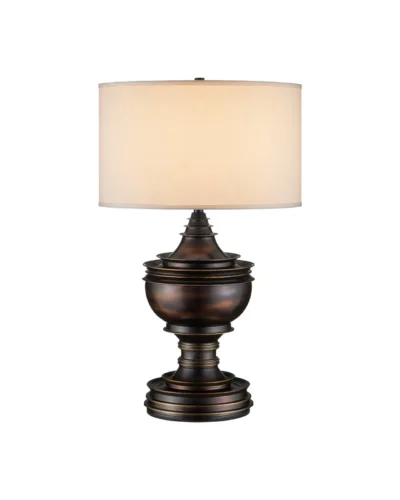
Choose brass table lamps with solid construction, uniform finish, and balanced proportions for durability and timeless appeal.
Read the guide →Nesting side tables are versatile sets of smaller tables that fit together or separate for use, maximizing space and functionality.
Read the guide →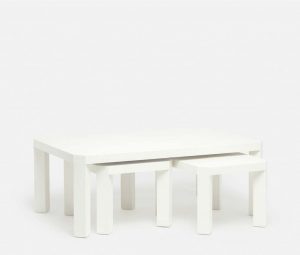
Decorate nesting coffee tables by layering sizes, using odd numbers of decor items, mixing materials, and incorporating negative space.
Read the guide →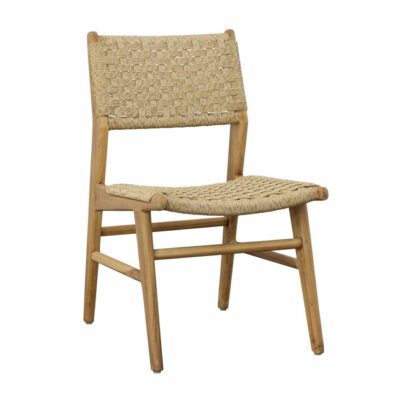
Teak outdoor furniture is made from durable teak wood, resistant to water and decay, with a rich hue that ages to a silvery patina.
Read the guide →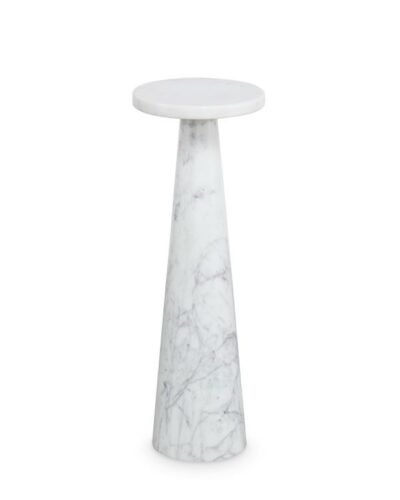
Use a microfiber cloth and soapy water to clean marble without etching. Avoid acids to maintain its natural elegance and unique patterns.
Read the guide →Dust rattan chairs regularly, clean with a damp cloth, avoid sunlight, and apply natural oil biannually to maintain their condition.
Read the guide →